 CareCompass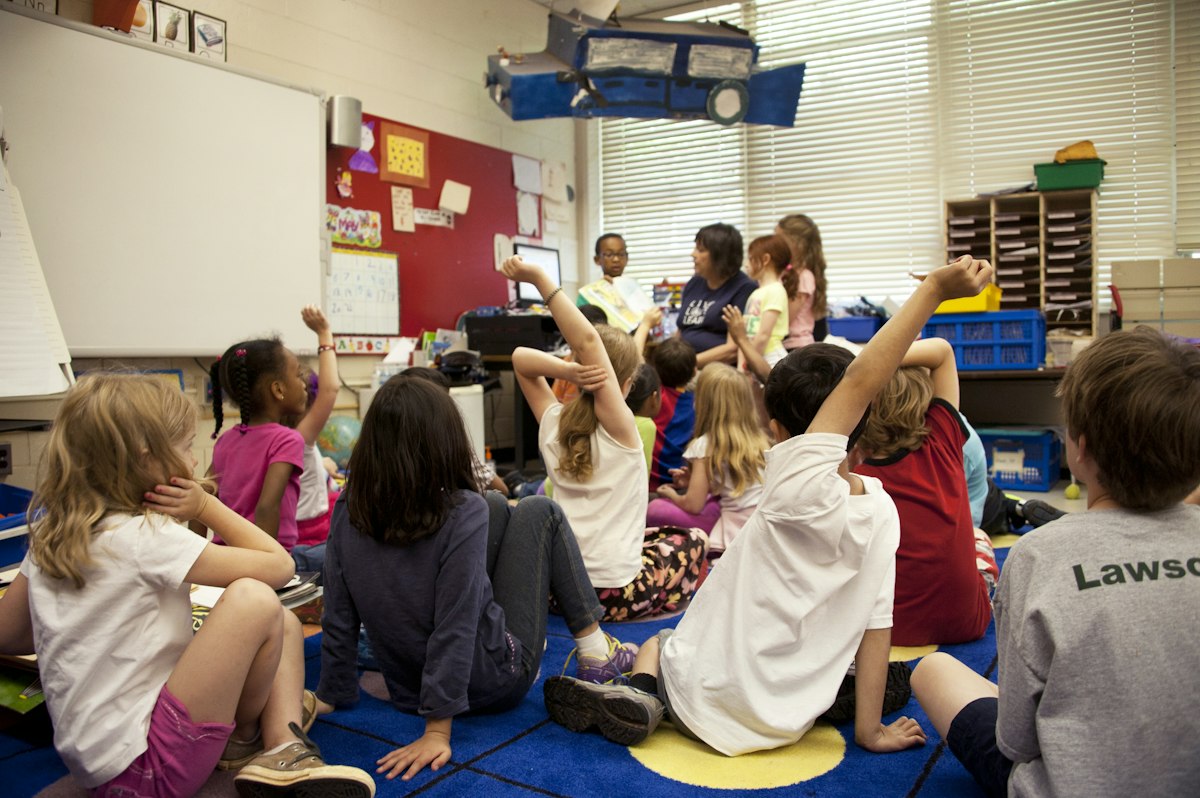
Montessori vs. Traditional Preschool: Which Is Right for Your Child?
Montessori and traditional preschool both have passionate advocates — but which approach actually fits your child's personality, your family's values, and your budget? Here's an honest comparison.
The Question Every Preschool Parent Asks
Walk into a playdate in Austin and mention you're choosing between Montessori and traditional preschool. You'll immediately have opinions flying at you from every direction. Montessori parents swear by it. Traditional preschool parents think it's overrated. Everyone is confident, and almost nobody agrees.
The truth is that both approaches produce happy, capable kids — the real question is which environment fits your child, your values, and your practical constraints. This guide cuts through the noise and gives you what you actually need to decide.
What Is Montessori?
Montessori education was developed by Dr. Maria Montessori in the early 1900s. It's based on the idea that children are naturally curious and capable of directing their own learning when given the right environment and materials.
Key characteristics of Montessori programs:
- Child-led learning — children choose their own work within a prepared environment
- Mixed-age classrooms — typically 3–6 year olds together, so younger kids learn from older ones and older kids reinforce skills by teaching
- Specialized materials — hands-on, self-correcting materials designed to teach specific concepts (math, language, practical life skills)
- Long work periods — typically 2–3 hour uninterrupted blocks, no forced transitions
- Trained teachers as "guides" — teachers observe and facilitate rather than lecture
- No traditional grades or tests — progress is tracked through observation
What authentic Montessori looks like: A quiet, orderly room where children move freely, choose their work, and focus deeply. It can look almost shockingly calm compared to what most people picture when they think "preschool."
A caution on the name: "Montessori" is not a trademarked term. Any school can call itself Montessori. Look for certification through the American Montessori Society (AMS) or Association Montessori Internationale (AMI) to verify the program is the real thing.
What Is Traditional Preschool?
"Traditional preschool" covers a wide range — from structured academic prep programs to loose play-based co-ops. What they share is a more teacher-directed structure compared to Montessori.
Key characteristics of traditional preschool:
- Teacher-led instruction — the teacher decides the schedule, activities, and curriculum
- Same-age classrooms — children grouped by age
- Structured day — circle time, centers, outdoor play, snack, and transitions happen on a set schedule
- Theme-based curriculum — weeks organized around themes (dinosaurs, seasons, community helpers)
- Social emphasis — strong focus on group activities, sharing, and following group norms
- School readiness focus — letter recognition, numbers, colors, pre-writing skills
Side-by-Side Comparison
Learning style
- Montessori: self-directed, intrinsic motivation, deep focus on chosen work
- Traditional: teacher-directed, group pacing, variety of activities
Classroom environment
- Montessori: quiet, calm, child moves freely throughout prepared space
- Traditional: more structured, children often work at tables or in designated areas
Social development
- Montessori: mixed-age peer relationships, mentoring dynamic, individual work alongside others
- Traditional: strong same-age peer bonds, more group collaboration and cooperative play
Academic approach
- Montessori: concepts introduced through hands-on materials when child is ready
- Traditional: structured curriculum, whole-group lessons, school readiness benchmarks
Parent involvement
- Montessori: observation days, less frequent check-ins (philosophy trusts the process)
- Traditional: more regular communication about daily activities and progress
Cost in Austin
- Montessori: $1,200–$2,500/month depending on age and program
- Traditional: $800–$1,600/month, wider range based on type
Transition to kindergarten
- Montessori: children adapt well, though the shift to a structured classroom can take adjustment
- Traditional: designed to align with standard kindergarten expectations
Which Child Thrives in Montessori?
Montessori tends to be a great fit for children who:
- Are highly independent and self-motivated
- Get frustrated by being interrupted mid-activity
- Learn better by touching and doing than listening
- Are sensitive to noise or over-stimulation
- Have strong intrinsic curiosity and like to explore deeply
- Do well with freedom but need clear, consistent boundaries
It can be a harder fit for children who:
- Thrive with direct instruction and clear external structure
- Get anxious without predictable routines
- Are very social and primarily motivated by group activities
- Struggle with open-ended choice
Which Child Thrives in Traditional Preschool?
Traditional preschool tends to work well for children who:
- Love group activities, songs, and class rituals
- Need external structure to feel secure
- Are motivated by teacher feedback and approval
- Enjoy variety and transitions
- Are very social and energized by peers
It can be challenging for children who:
- Have strong opinions about what they want to work on
- Struggle with constant transitions
- Learn at a significantly different pace than the group
Practical Questions to Help You Decide
1. What does my child's day look like now?
If your child is happiest playing deeply and independently for long stretches, Montessori mirrors that. If they're energized by group activities and love being part of a team, traditional may be the better match.
2. What are my kindergarten plans?
If your child will attend a public school with a structured kindergarten, either approach prepares them fine. Montessori children adapt — it just may take a few weeks.
3. What can I actually afford?
Montessori is typically more expensive in Austin. Don't stretch your budget to the point of financial stress — that affects the whole family.
4. How important is religious or values-based education?
Many traditional preschools in Austin are faith-based. Montessori programs are generally secular. If faith integration matters to your family, this is a real differentiator.
5. Can I visit during a normal day?
The best way to decide is to sit in both types of classrooms during actual school hours — not a tour. Watch how the children engage, how teachers respond, and how your gut reacts.
The Honest Bottom Line
There is no universally better approach. The research shows that high-quality programs of either type produce strong outcomes. The quality of the teachers and the consistency of the environment matter far more than the philosophy on the sign.
Visit multiple programs. Watch your specific child in those environments if possible. Trust what you observe over what you read — including this article.
Search Montessori and preschool programs near you on CareCompass and filter by program type to compare options in your area.
Find the perfect daycare near you
Browse top-rated daycares, preschools, and Montessori schools.
Search Daycares